
Early intervention is not early enough—Why timing is the hidden failure
When discussing children’s mental health, the concept of early intervention is frequently presented as the gold standard. Policymakers, educators, healthcare
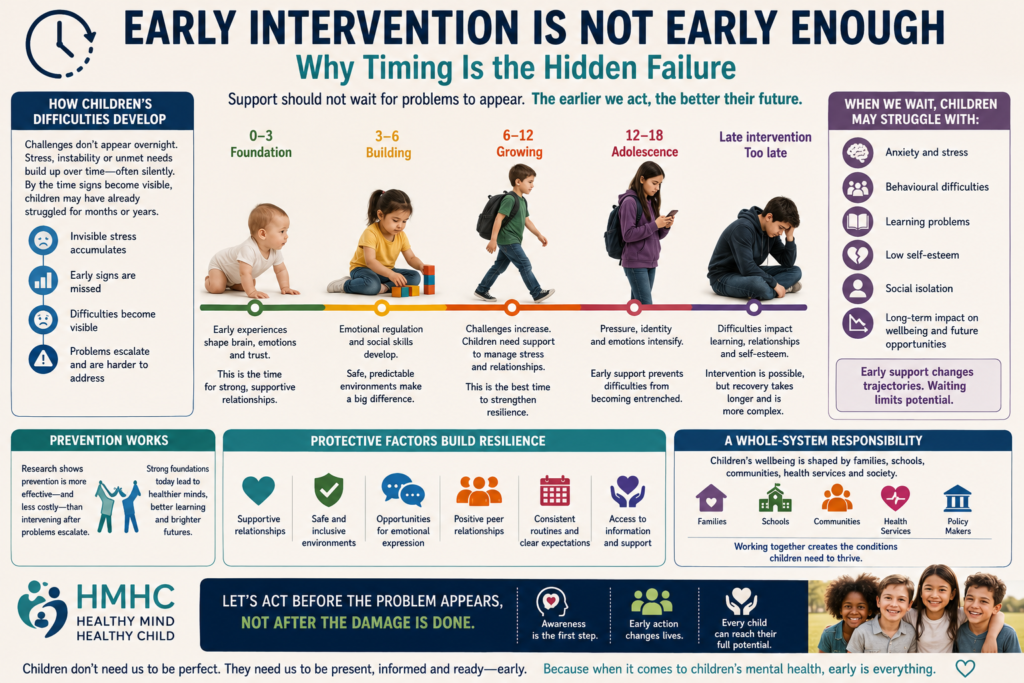
When discussing children’s mental health, the concept of early intervention is frequently presented as the gold standard. Policymakers, educators, healthcare
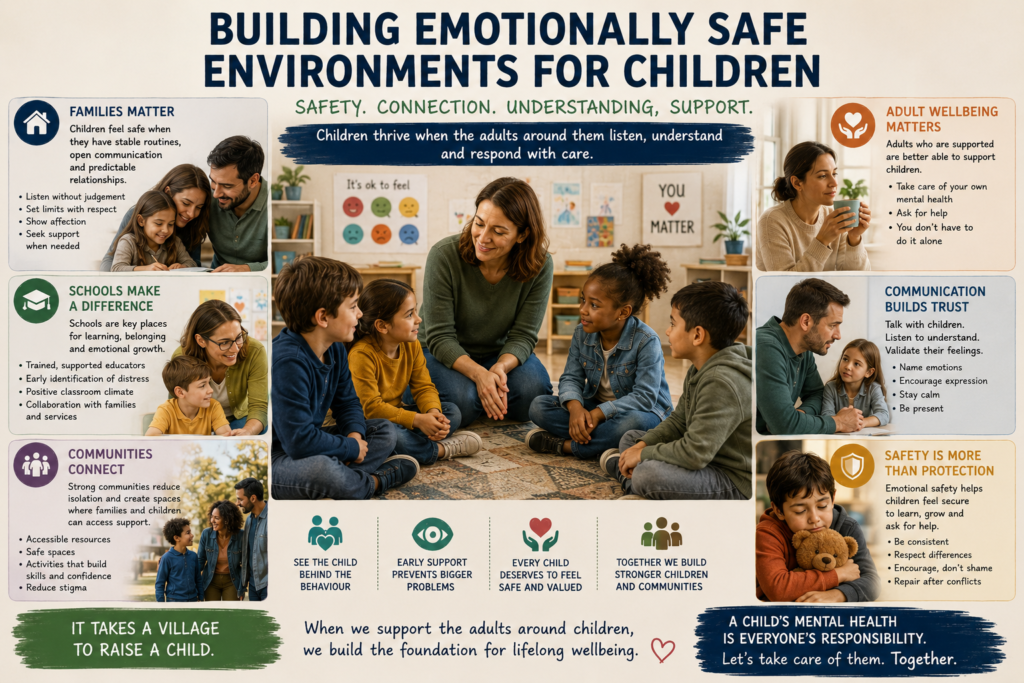
Children’s mental health is not protected only through specialised intervention. It is also protected through the ordinary environments where children
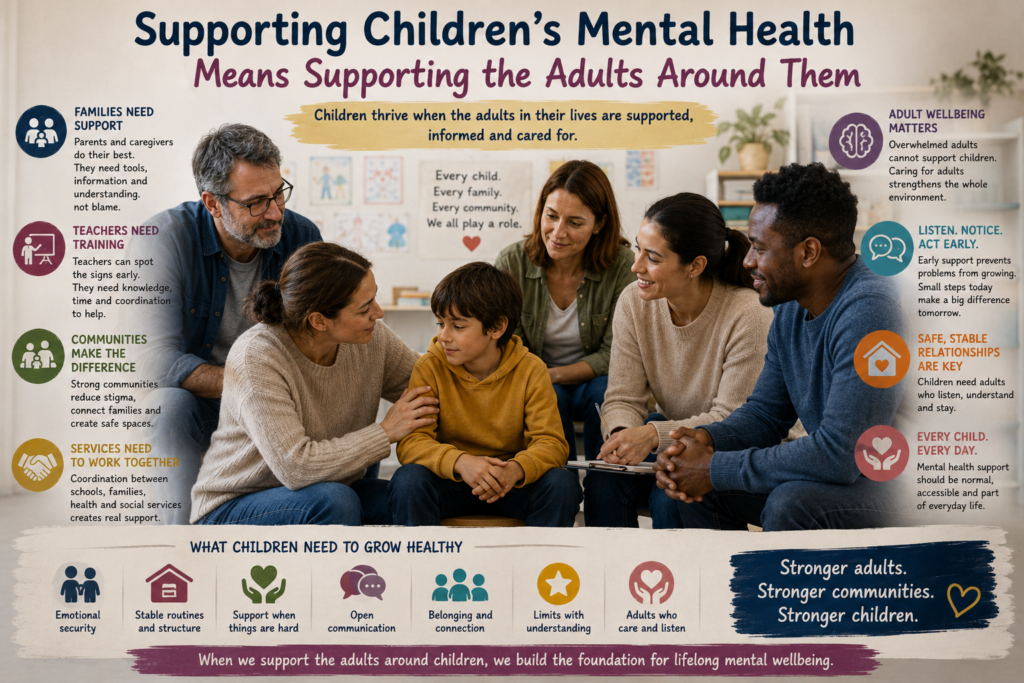
When we talk about children’s mental health, the focus usually falls on the child. We look at their behaviour, their
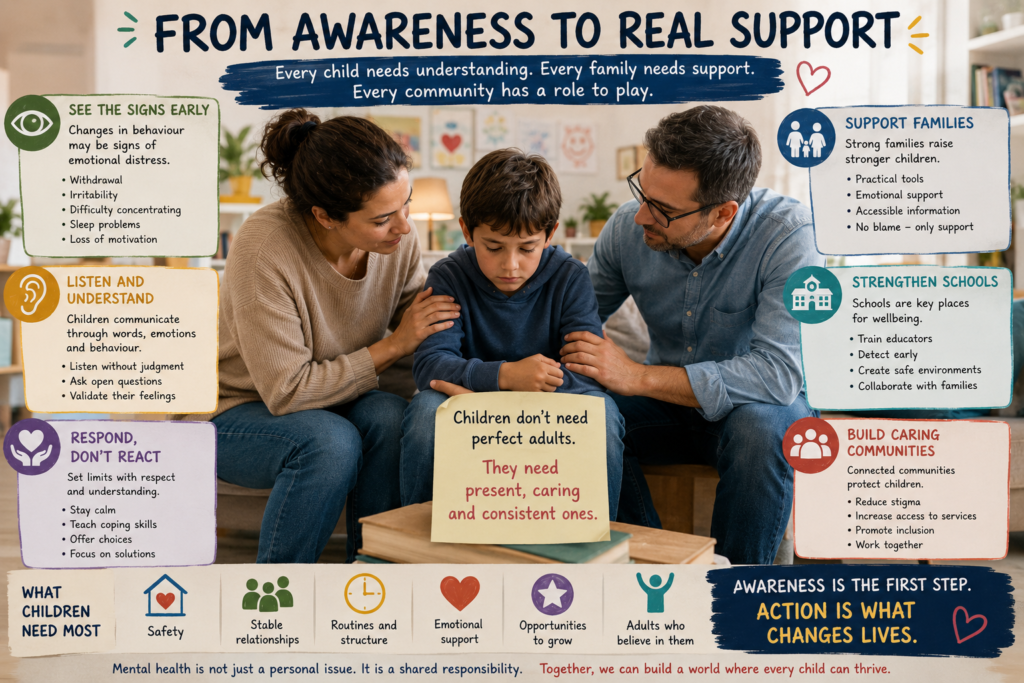
Talking about children’s mental health has become more common in recent years. This is necessary, but it is not enough.
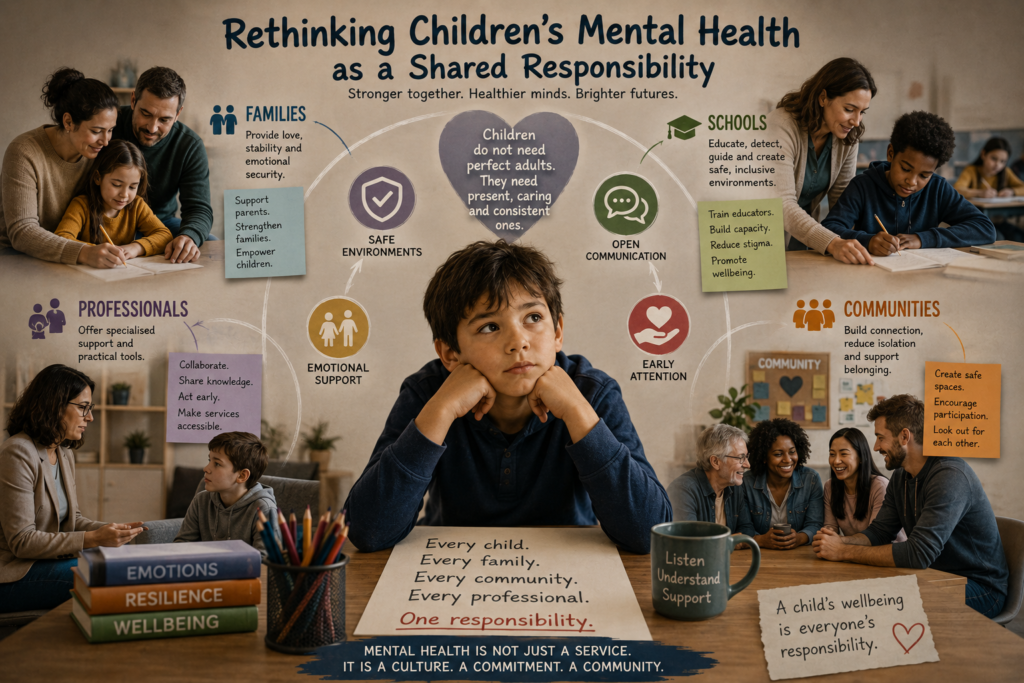
Children’s mental health is often treated as something that belongs only to the child: their emotions, their behaviour, their reactions,
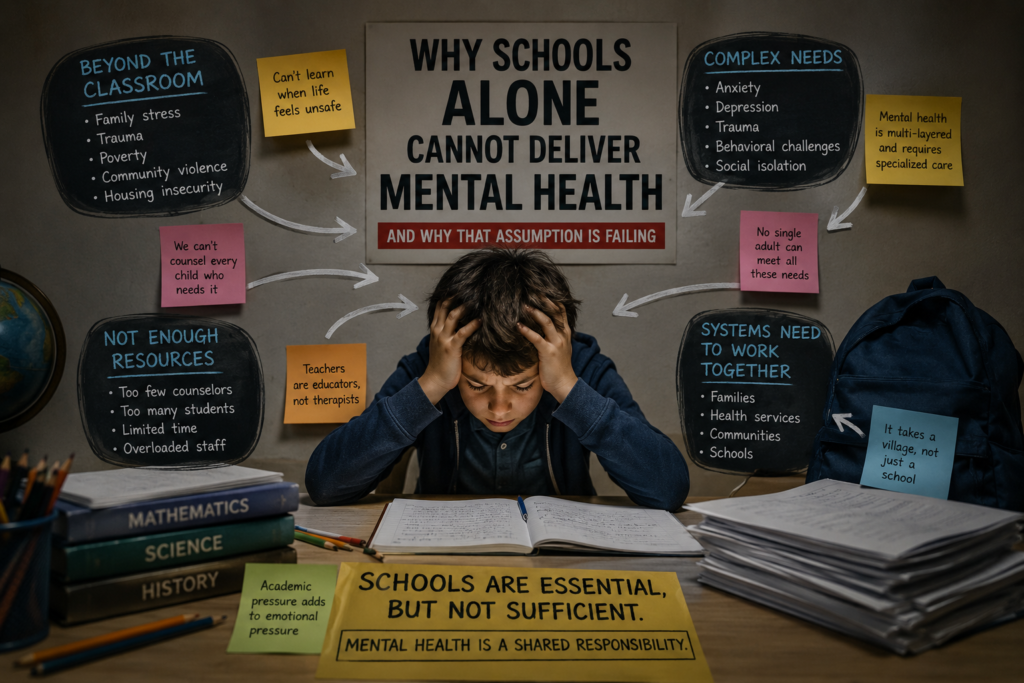
Across Europe, there is an implicit expectation that schools will absorb an expanding range of responsibilities. Academic instruction is no

There is a persistent illusion in current educational and policy discourse: that the digital environment is simply a tool. Neutral,

In most policy documents and educational frameworks, the family is consistently described as a “key actor” in children’s development. The

When extracurricular activities are discussed in educational or policy contexts, they are often framed as complementary, optional, or even secondary

In current European debates on children’s mental health, there is a recurring inconsistency that is rarely addressed directly. On the